Navigating the Challenges of EU Immigration Policies
- Zara Ahmed

- Apr 13
- 3 min read
Immigration remains one of the most pressing and complex issues facing the European Union today. The influx of migrants and refugees has tested the limits of existing policies, revealing gaps and tensions within and between member states. Understanding the challenges behind EU immigration policies helps clarify why finding effective solutions is difficult but necessary for the future of the region.
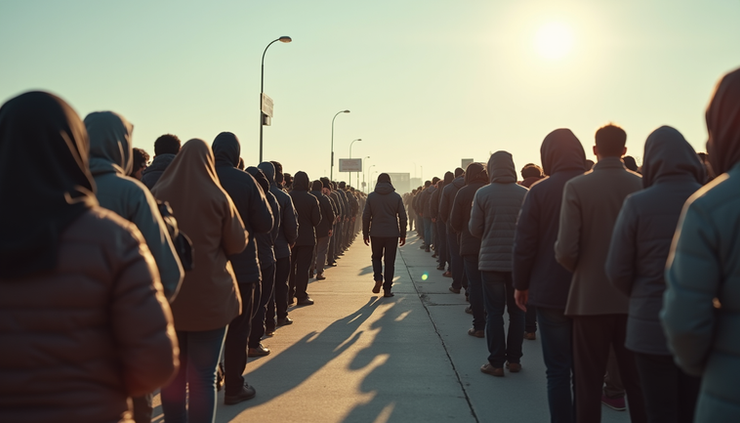
The Complexity of EU Immigration Policies
The European Union consists of 27 member countries, each with its own legal system, political priorities, and public opinion on immigration. This diversity makes it difficult to create a unified immigration policy that satisfies all members. The Schengen Agreement allows passport-free travel across many EU countries, but it also means that a migrant entering one country can move freely to others, complicating border control.
The Dublin Regulation, which requires asylum seekers to apply in the first EU country they enter, places disproportionate pressure on border countries like Greece, Italy, and Spain. These countries often struggle to process large numbers of arrivals, leading to overcrowded facilities and delays. Other member states sometimes refuse to accept relocated migrants, causing political friction and uneven responsibility sharing.
Social and Economic Challenges
Immigration brings both opportunities and challenges to the EU. Migrants contribute to the workforce, especially in sectors facing labor shortages such as healthcare, agriculture, and construction. However, rapid influxes can strain public services, housing, and social welfare systems, particularly in economically weaker regions.
Public opinion in many EU countries is divided. Some citizens welcome migrants and recognize their potential contributions. Others fear job competition, cultural changes, or security risks. These fears can fuel political movements that oppose immigration, influencing national policies and EU-wide negotiations.
Security Concerns and Integration
Security remains a key concern in immigration debates. While the vast majority of migrants seek safety and better lives, some worry about the potential for criminal activity or terrorism. This concern has led to stricter border controls and enhanced vetting procedures, but it also risks stigmatizing entire communities.
Successful integration is essential for long-term stability. Language barriers, cultural differences, and discrimination can hinder migrants’ ability to find work, access education, and participate fully in society. Programs that promote language learning, job training, and community engagement have shown positive results in countries like Germany and Sweden.

Political Divisions and Policy Reform
EU immigration policy reform faces political divisions both within and between member states. Some countries advocate for stronger external border controls and reduced migration flows. Others emphasize humanitarian responsibilities and call for more equitable distribution of asylum seekers.
The European Commission has proposed new measures to improve cooperation, including a permanent relocation mechanism and better support for frontline states. Yet, reaching consensus remains difficult. National elections and rising populist parties often push governments toward more restrictive stances.
Practical Steps Forward
Addressing EU immigration problems requires a balanced approach that considers security, humanitarian needs, and economic realities. Some practical steps include:
Strengthening border management with better technology and increased personnel to ensure safe and legal entry.
Improving asylum processing to reduce delays and prevent overcrowding in frontline countries.
Enhancing cooperation between member states to share responsibility fairly and avoid political deadlock.
Investing in integration programs that help migrants learn local languages, find employment, and engage with communities.
Promoting public dialogue to address fears and misinformation about immigration, fostering understanding and inclusion.



Comments